


The transition from an outdated consumption model to a circular economy has become essential for businesses that want to stay competitive.
Understanding what recycling is on a large enterprise scale is critically important for today’s leaders. An effective industrial waste recycling system optimizes operating costs, can reduce waste-related costs and, in some cases, tax-related expenses, and strengthens the company’s corporate reputation.
Table of Contents
How to Reduce Industrial Waste Before It Piles Up
The best waste is the waste you never create. To clearly understand how to reduce industrial waste, management needs to start with a thorough audit of all production lines. In many cases, audits show that raw materials can be used much more rationally.
By modernizing equipment, introducing closed-loop water systems, or changing packaging design, enterprises are able to radically reduce material losses. The logic of this process is very simple. When you minimize the amount of scrap and residues during production, you automatically reduce the costs of further handling them.
Best Methods for the Recycling of Industrial Waste
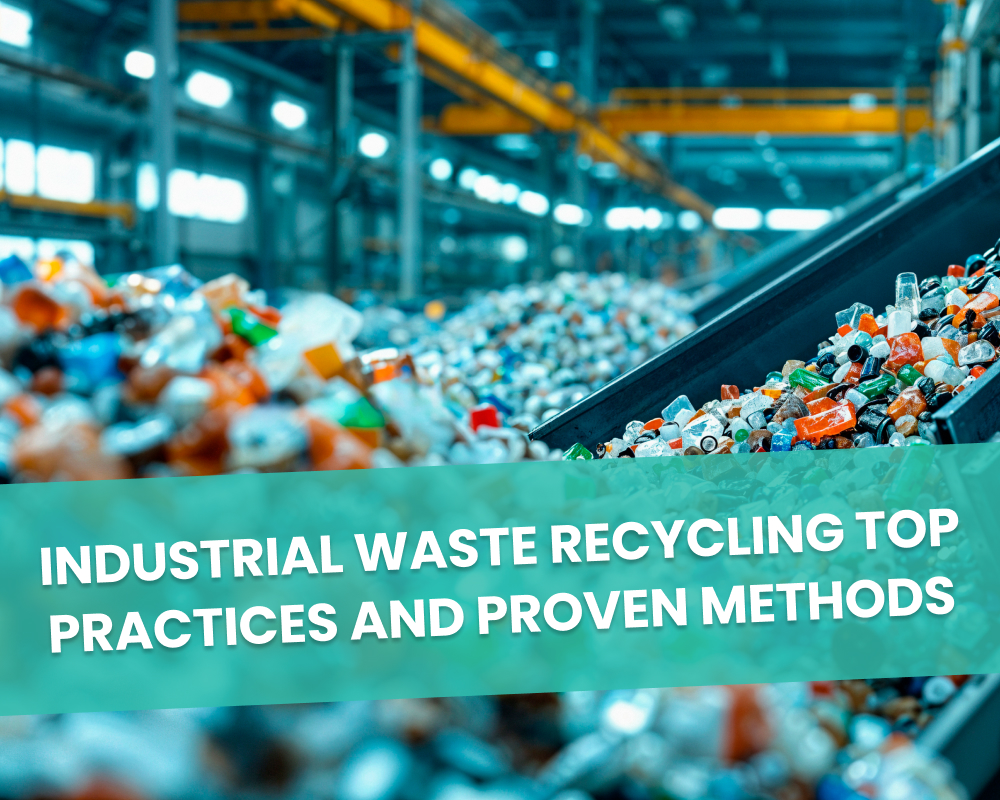
When waste cannot be avoided, the focus shifts to its proper processing. Effective recycling of industrial waste requires the use of specialized equipment and a tailored approach to each waste stream.
Today, the following effective methods are most often used at leading manufacturers:
- Mechanical recovery of materials through grinding and remelting of metal, glass, or hard plastic to create new parts.
- Chemical decomposition of complex polymer compounds into simpler chemical components, which can then be reused as raw materials.
- Biological treatment of organic waste from the food or agricultural industry by composting and converting it into renewable biogas.
- Energy recovery from non-hazardous residues in high-temperature furnaces with modern filters to generate heat or electricity for on-site use.
Innovative Technologies in Industrial Waste Processing
Today, the processing of industrial residues increasingly depends on advanced technologies. Manual sorting has largely been replaced by artificial intelligence and robotic systems. Smart optical sensors are able to recognize different types of plastic or metal alloys on the conveyor in real time, automatically sorting them with high accuracy.
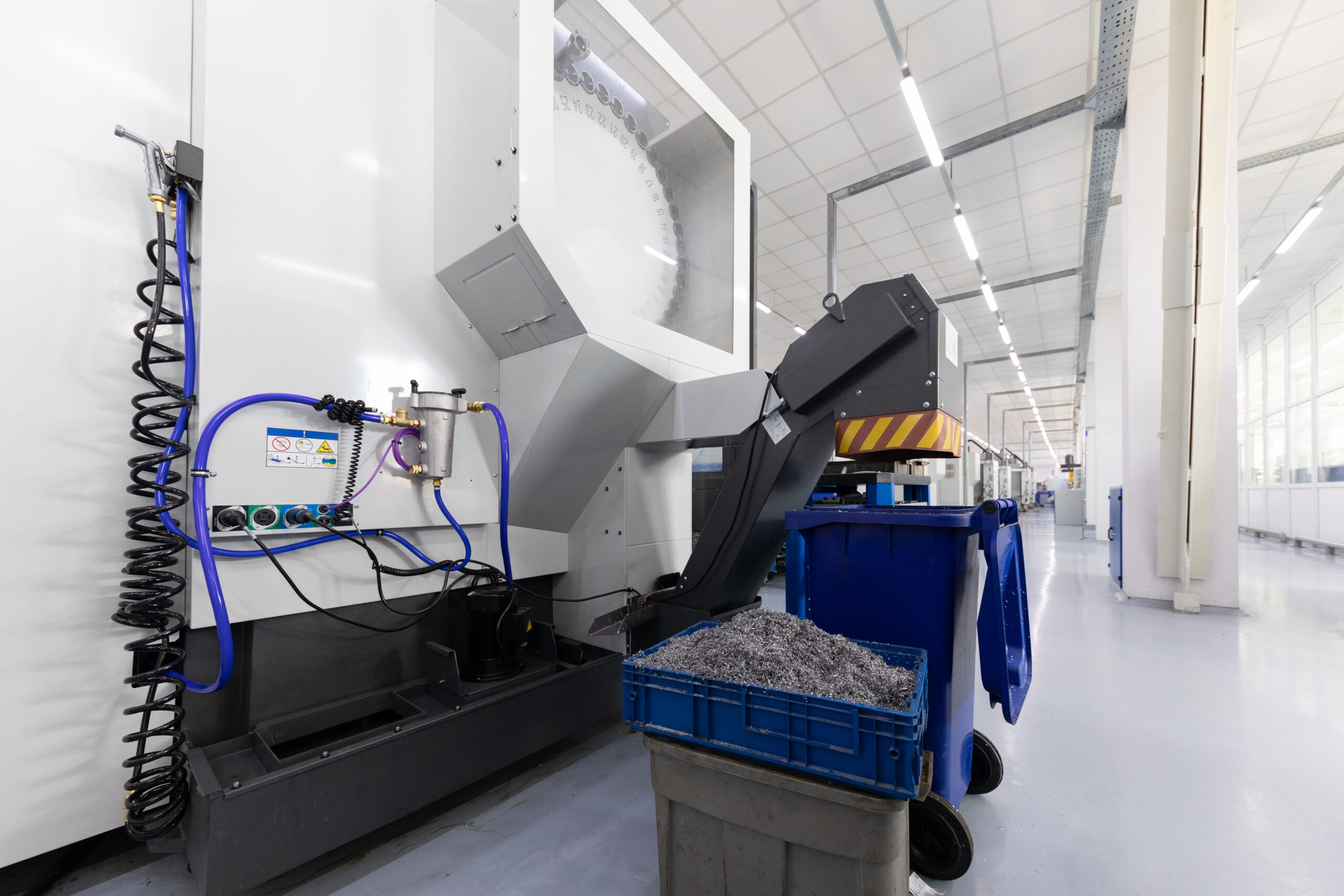
By implementing such innovative recycling, enterprises not only speed up processing processes, but also minimize the human factor. This helps companies obtain clean, high-quality secondary materials that meet strict quality standards and are ready for immediate use in new production cycles.
Economic Benefits of a Zero Waste Strategy
Environmental responsibility is no longer just a PR slogan. Now it is a practical way to improve profitability. The transition to a zero waste strategy opens up new sources of income for factories, because materials once treated as waste can now be sold as inputs to other manufacturers.
In addition, professional junk removal management helps companies avoid hidden costs of complex logistics chains and storage of hazardous substances. Moving away from landfill disposal in favor of more efficient recycling systems makes the business more flexible and independent of fluctuations in the prices of primary materials.
Why Your Business Needs Proper Commercial Recycling
Financial investments in environmental initiatives can pay off over time. Systematic commercial recycling significantly reduces waste collection and disposal costs and allows you to avoid substantial fines for violating environmental legislation. In addition, modern investors and international partners prefer to cooperate with brands that demonstrate a genuine commitment to environmental protection and the health of local communities. This can become a significant competitive advantage.
FAQ
What is Considered Industrial Waste?
This category includes any materials that remain after production processes, construction activities, or mining operations. These can be both non-hazardous materials, such as cardboard scraps or metal shavings, and hazardous chemical reagents.
What are the Main Types of Industrial Waste?
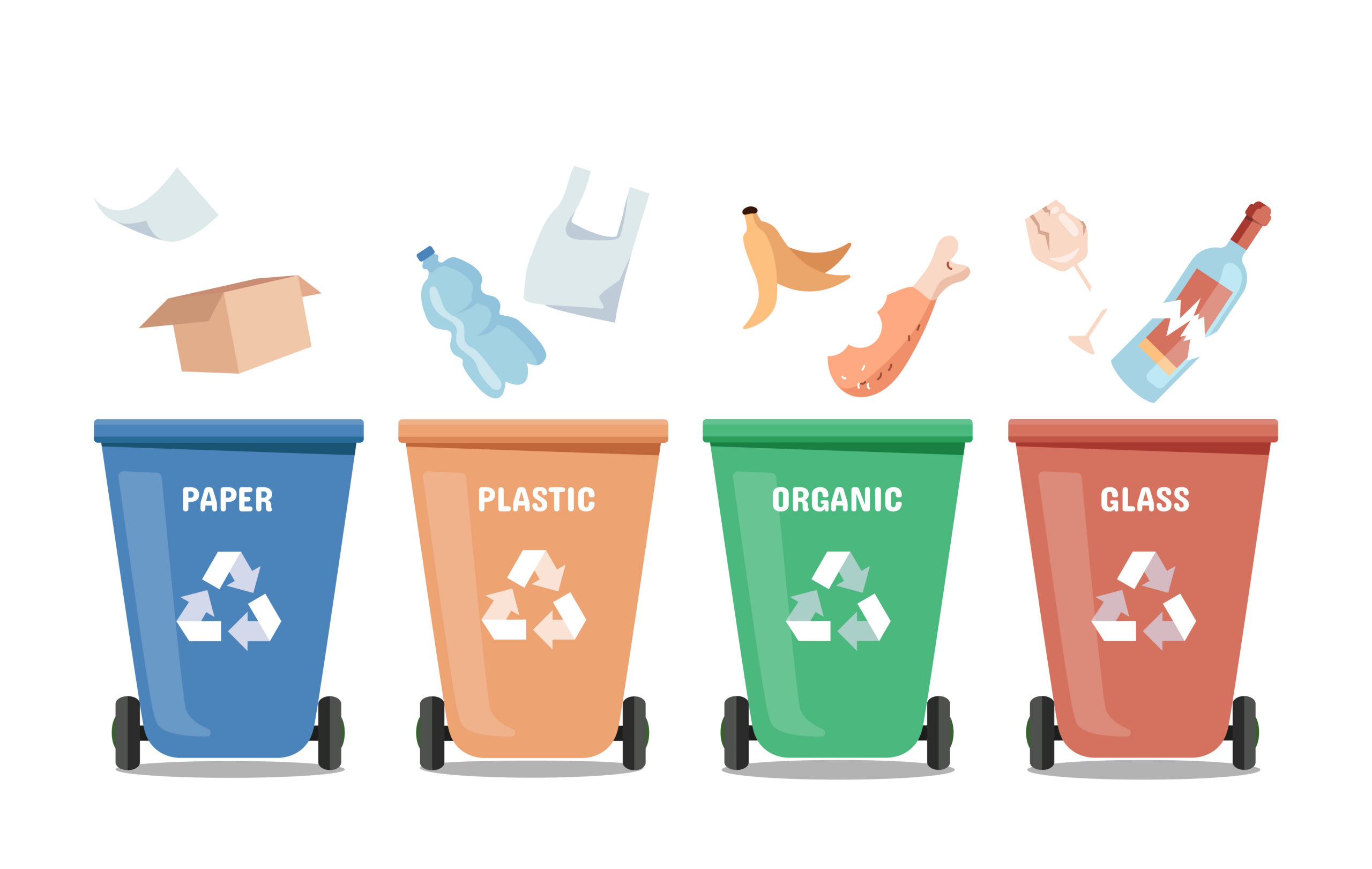
For ease of classification, a common simplified classification includes solid waste such as debris and packaging, hazardous or toxic waste such as acids or solvents, and organic waste from food factories and agricultural operations.
Where Should Industrial Waste Go?
All by-products of production should be sent only to licensed recycling, treatment, or disposal facilities. Disposing of such materials in ordinary municipal landfills is often prohibited or tightly regulated under local law.
What are the Biggest Sources of Industrial Waste?
Major sources of industrial waste include metallurgical plants, oil refineries, chemical plants, large construction sites, and energy sector facilities.