


Have you ever held an everyday item in your hands and thought: “What’s the story behind it?” A decade ago, many businesses followed a simple formula: buy low, ship it, sell at a markup, and no one really thought about the consequences. But now, in 2026, things look very different.
Today, if a customer finds out that a river was polluted to make their T-shirt or that workers were paid next to nothing, they will simply go to a competitor. And that’s where sustainable supply chains come in. Does it sound complicated? It can sound complicated, but the idea is straightforward. It’s about how to do business in such a way that you can make money, sleep at night, and reduce harm to the planet.
Let’s break it down, no jargon, no fluff.
Table of Contents
Sustainable Supply Chain Management
Think about your health. You don’t eat just anything. You choose products to feel good. So, sustainable supply chain management is the business equivalent of a healthy lifestyle. It is the ability to manage the entire journey across a product’s journey, from raw materials to finished goods in your warehouse.
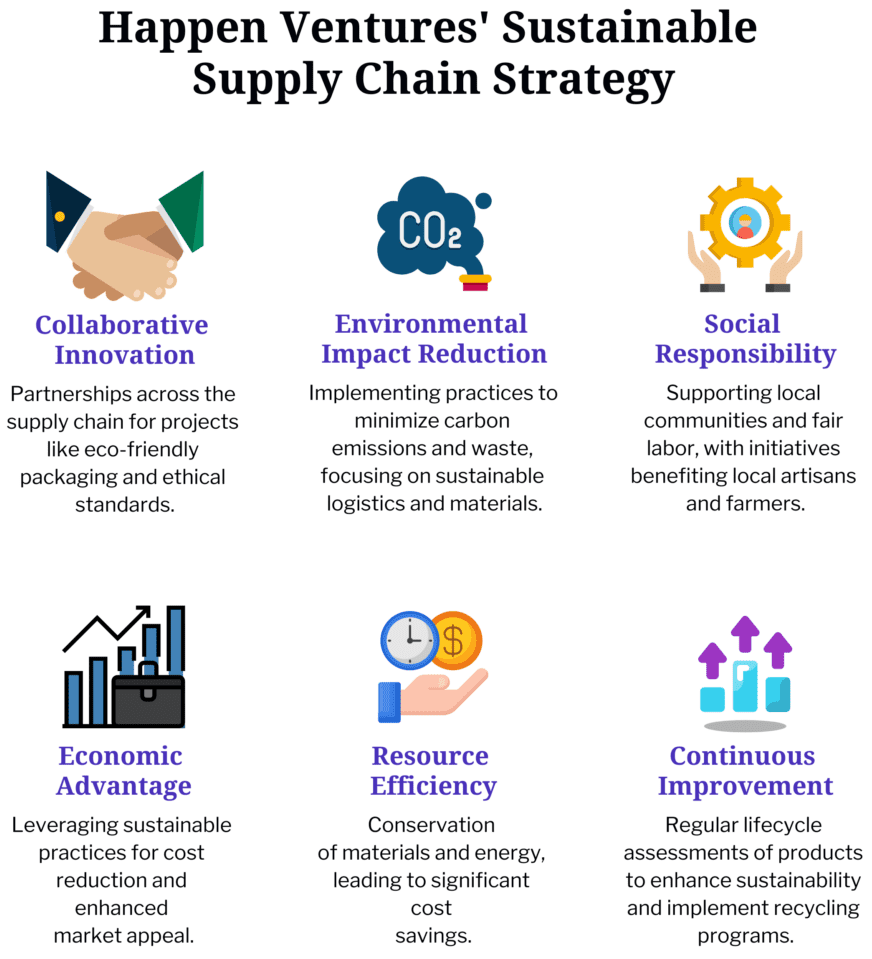
Traditional supply chains are linear. Like disposable cutlery: use it, toss it. That’s outdated. A modern approach aims to be circular. Your goal is to design the system so waste is designed out from the start. By-products from production should not go to the landfill, but become a resource for something else.
That’s where smart logistics matters. It’s not just booking a truck that will move goods from origin to destination. It’s careful planning, asking questions like: “Can I load the truck in such a way that I’m not shipping air? Can I take a shorter route so that I don’t burn extra fuel?” That kind of attention saves you money.
Supply Chain Sustainability
Why are so many companies suddenly talking about supply chain sustainability? Did everyone suddenly become an environmentalist? Not exactly. The fact is that it is simply more profitable and less risky.
First, a sustainable supply chain is a safety net. When you know your suppliers well, when you know where your raw materials come from, it’s much harder for surprises to derail you. You rely less on luck. Secondly, this is real savings. Warehouse lighting, using less plastic in packaging – small savings add up fast.
Here are simple real-life examples of what sustainability in the supply chain looks like in practice:
- Full visibility: You and your customers know exactly where your coffee, cotton, or microchips come from. No secrets.
- Smart use of resources: We waste less. If water can be cleaned and reused in production, we do it.
- Giving things a second life: We don’t rush to throw things away. Old equipment can be repaired, and leftover materials can be recycled.
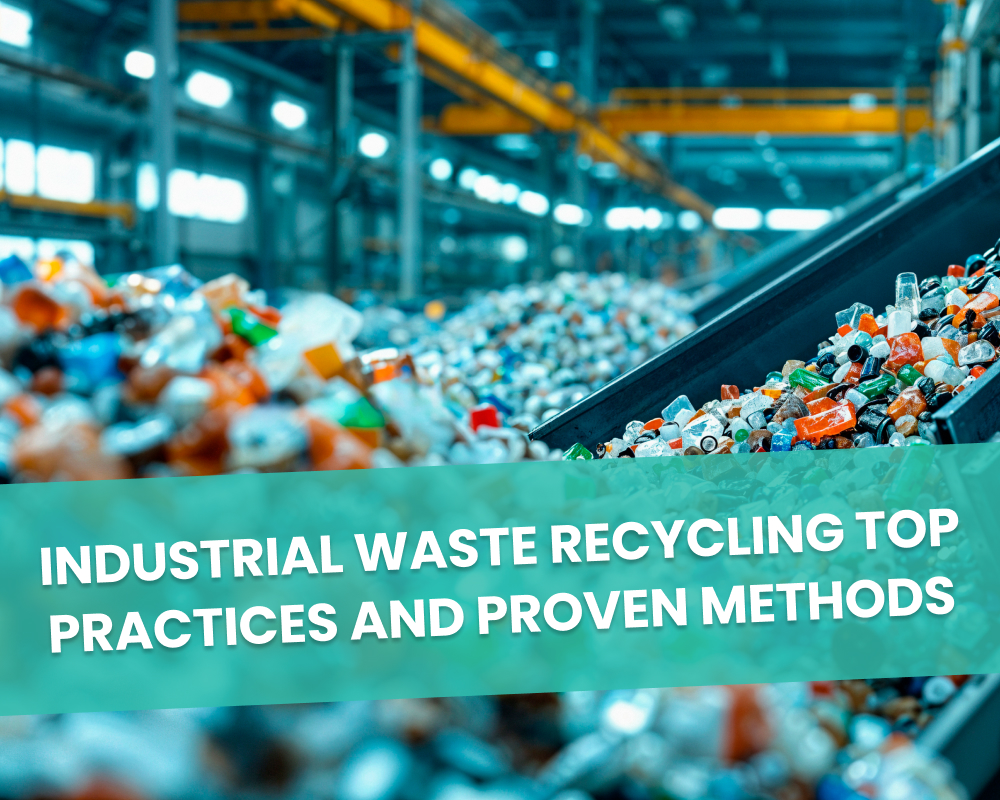
And about recycling. Many people think they know what recycling is, but often their idea is limited to a few bins in the office. For a serious business, it’s much more. For serious businesses, recycling is an industrial process: your old cardboard boxes, plastic film/stretch wrap, or even spoiled goods don’t end up in a landfill, but return to the factory to become something new and useful.
How to Build it Without Losing Your Mind?
It may seem that setting up such a supply chain is something unrealistic. But do it one step at a time. Here’s where you can start:
- Step back and look at your business. Where are the leaks? Where are you literally throwing money away? Maybe you are using more packaging than you need?
- Talk to your suppliers and logistics partners. Ask your suppliers: “How do you do it? Are you willing to make changes with us?”.
- Don’t be afraid of technology. Now there are plenty of tools that will track every step of your product’s journey.
Business owners often wonder and ask: what proper waste management really costs, if you do everything correctly and in an environmentally responsible way? At first glance, it seems expensive. In reality, cleaning up the mess, paying fines for pollution, and losing customers is always more expensive. A systematic approach, when you sort waste and set a regular pickup schedule, often even brings profit if you work with recyclers.
If you feel that you can’t do it yourself and your head is spinning, look at those who have already done it. There are special sustainable supply chain companies that have already made strides along this path. They know how to set up processes quickly and painlessly so that your business runs smoothly.
Remember one simple truth: your supply chains are the circulatory system of the company. If it is clogged with waste and harmful practices, the business suffers. Make it healthy, and your company will flourish for many years to come.
FAQ
How do you Build a Sustainable Supply Chain?
It all starts with an audit. Just check where your raw materials come from and where your waste ends up. Demand honesty from your suppliers, try to reduce unnecessary transportation and avoid running half-empty trucks, and always look for ways to reuse materials rather than throw them away.
What is a Characteristic of a Sustainable Supply Chain?
The most important feature is complete transparency. In such a supply chain, all participants know what is happening at every stage. Such a business takes into account not only its profits but also people and environmental impact.
What Does a Sustainable Supply Chain Look Like?
It looks a lot like a closed circle. Goods are produced economically, shipped using cleaner transport options, and after use, they do not disappear into the trash, but get a second life through repair or recycling, back into the system.
What are the Objectives of a Sustainable Supply Chain?
The goals are actually very simple and practical: to harm the environment less (so our kids have clean air to breathe), to take care of the people who work at your factories, and at the same time to save resources so that the business can operate stably and profitably for many more years.