


We’re entering a new stage, and it is time to admit: the world has changed. Sustainability is no longer just a topic for loud protest slogans. Now it’s about our wallets and everyday comfort. Previously, sorting trash used to feel like a big deal, but today it is a basic routine. But to really help the environment in 2026, simply dropping a bottle into the right bin is nowhere near enough. We need a practical approach that starts at the store.
We hear a lot about sustainability-keep it simple. It benefits us directly. It’s simple math: the less we buy unnecessary things, the more money stays in our bank accounts. The less we throw away, the less we pay for trash pickup. This is pure pragmatism. Let’s look at specific reduce, reuse, recycle examples that will help us head into the new year without extra hassle.
Table of Contents
Practical Reduce, Reuse, Recycle Examples for Modern Living
Many people make the mistake of putting recycling first. But think of the 3Rs as a ladder: reduce first, then reuse, and recycle last. It is this sequence that really saves resources.
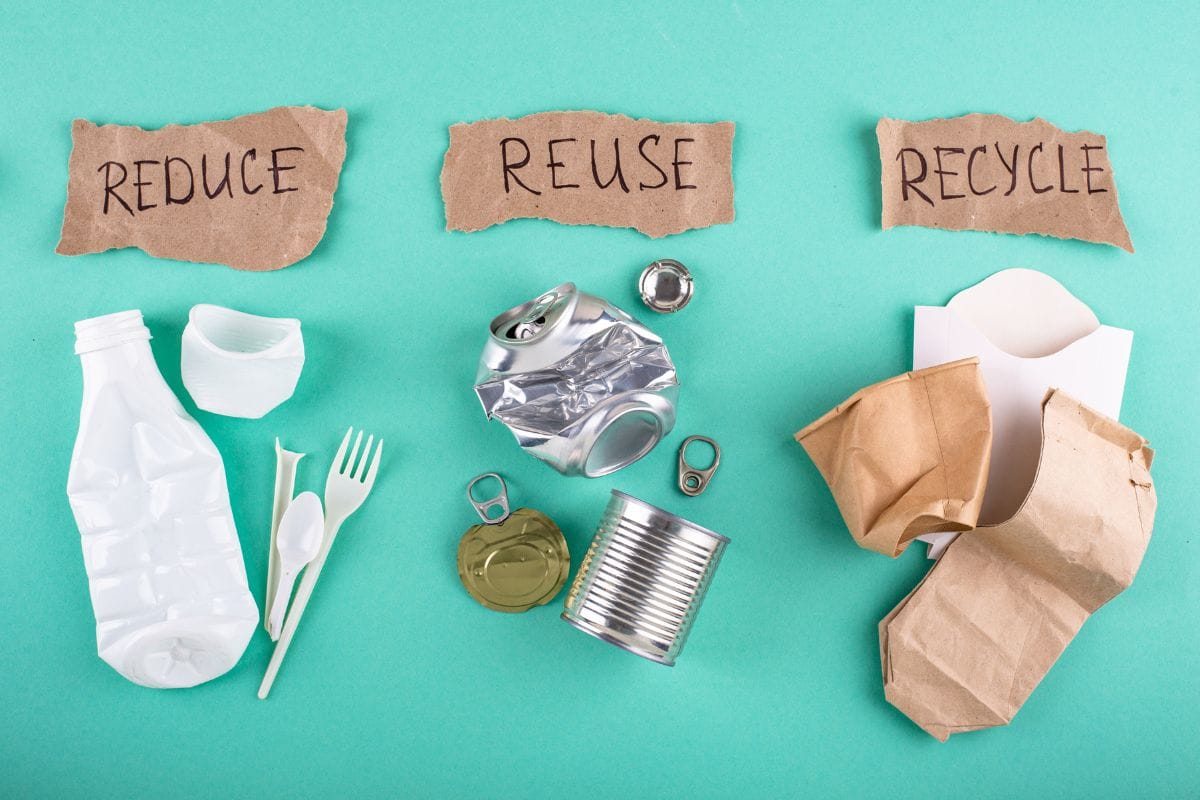
Look around our homes. We’ll be surprised at how much unnecessary packaging we bring home every day. Changing our approach to consumption is not about restrictions, but about smart decisions. When we refuse disposable plastic, we cut demand for single-use packaging that creates an overflowing landfill. Less trash means less pollution and more closet space. Living waste-free is simply a matter of habit.
5 Examples of Reduce, Reuse, Recycle Strategies
To make it easier for us, we have compiled this top list. Here are five 3R habits that make the biggest difference in 2026:
- Smart shopping (Reduce). Go to the store with a list and stick to it. This saves us from impulsive spending.
- Rent (Reuse). Need a drill for an hour or a dress for one night? Rent it. Why buy something that will gather dust?
- Repair (Reuse/Repair). Throwing out an item because of a torn button is wasteful. Repair extends the life of our things (and saves money).
- Garbage disposal (Recycle). A disposer in the sink makes life cleaner. Food scraps become a resource instead of landfill waste.
- Responsible sorting (Recycle). Batteries and medicines are hazardous waste. Dispose of them separately-don’t toss them in the regular trash.
Examples of Reduce
The best waste is the one that does not exist. The reduction stage is the base. This is the ability to say “no” to unnecessary things. Real examples of reduction are everywhere.
Let’s take paper. By 2026, digital receipts and mobile tickets will be the norm, saving trees. Another point is energy. Motion sensors and LED bulbs reduce energy consumption and harmful emissions. Or household chemicals: buy a concentrated refill instead of five bottles of the same product. You’re not paying to ship water, and you use far less packaging. Such simple steps save time and money and eliminate the problem before it appears.
Examples of Reuse
If you already own something, use it to the fullest. Reuse is respect for resources. Buying disposable items is basically throwing money away.
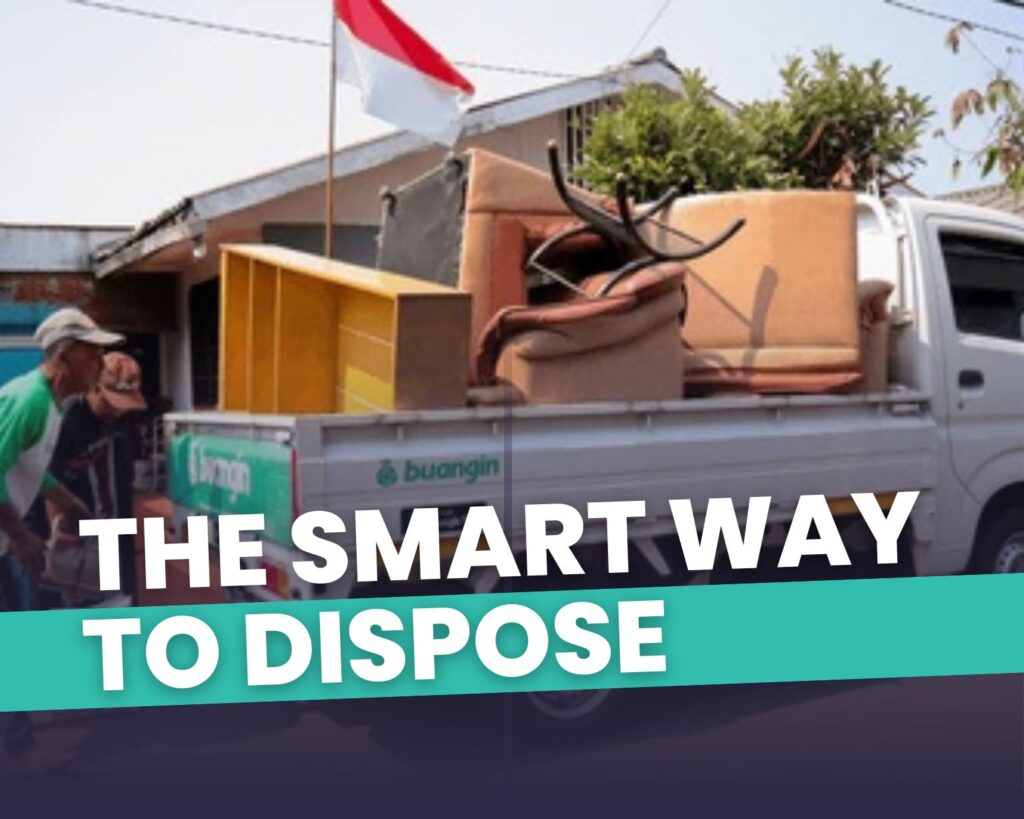
Looking at examples of reuse, remember glass jars. These are ideal containers for dry goods (rice, pasta, oats) or nails. They are reusable, safe, and long-lasting. Old clothes don’t have to go in the trash. Worn jeans become a bag or rags, which is better than synthetics. And share. Furniture or appliances that you no longer need can save someone else. Donating things to charities is a circular economy in action, where items stay in use longer.
Examples of Recycle
This is the last step. When a thing is completely broken, that’s when recycling comes in. But it’s not magic, it’s work that takes energy.
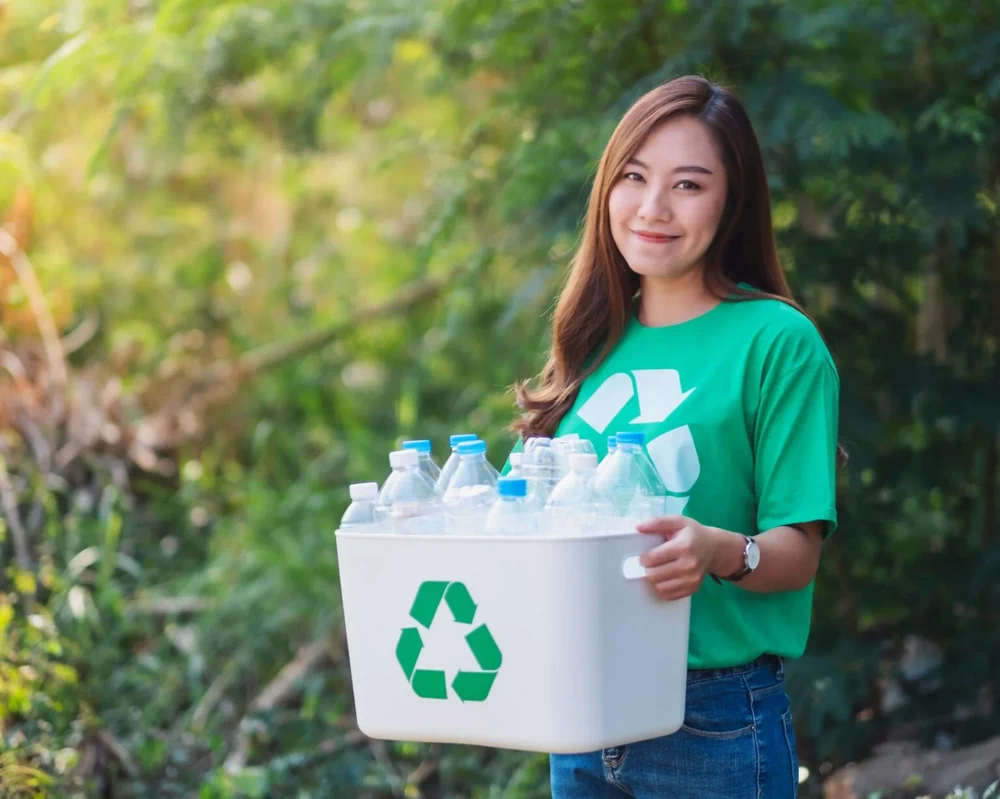
Good examples of recycling require attention. For example, old phones (electronic waste) contain gold and copper. By donating them, you help reduce the need for mining. Metal, like aluminum, can be recycled over and over. But the main thing here is sorting. A dirty pizza box or a yogurt bottle can contaminate a whole batch. Rinse the container, so your effort actually counts.
Ignoring eco-friendly habits as we head into 2026 will cost us more. By using the principles of reduce, reuse, recycle, we vote with our wallets for a clean future. We don’t have to be perfect-just start small today. It’s easier than it seems.