
Effective Waste Management Methods for a Sustainable Future

Jessica Gonzalez
Global Chief Executive | Founder Happen Ventures

In simple words: waste management methods are how we deal with waste every day, so there’s less trash, and the city and nature stay cleaner. We reduce purchases, sort correctly, give things a second life, give clean materials to recycling, turn organics into composting and only in extreme cases do disposal. This is an eco-friendly approach that’s easy on the wallet: less chaos at home, less expenses, less pollution and less impact on the environment.
Table of Contents
Methods of waste management
When the rules are clear, life is easier. Clearly labeled, color-coded bins in the entryway (or lobby), there is a place for sorting in the kitchen, and a short memo at work. Solid waste management methods work for high-volume waste streams: convenient containers, clear pictograms, clear collection schedules, transparent accounting.
There are also eco-friendly methods of solid waste management: less disposable, more reusable, repairs where items still have life in them, and local collection points. Food is a separate topic: methods of food waste management include menu planning, proper storage, freezing, processing leftovers into new dishes and a small composter to create nutrient-rich soil. This way we reduce costs, odors and air pollution, and also keep control over the process.
Plastic waste management methods
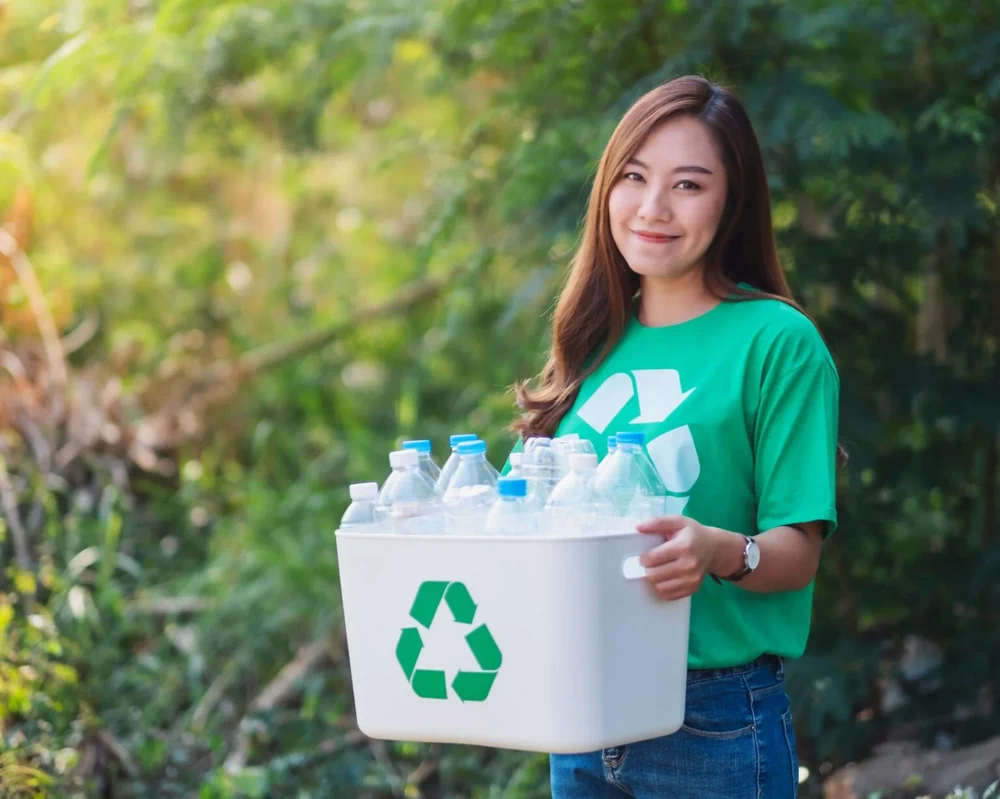
Plastic waste needs special attention. The best thing is to reduce and avoid unnecessary plastic items from the start: take a reusable bottle, bag, container. Where there is no way without plastic, plastic waste management methods help: thoroughly wash and dry packages so that they are accepted for recycling; check the recycling symbol/number on the plastic; use container return and refill programs.
If the thing is whole, reuse; if it is broken but can be repaired, we repair it; if it cannot be repaired, we hand it over to the appropriate recycling facility. The basis of success is simple daily steps and clear control: what goes where, how we measure progress, how we minimize pollution and costs.
Solid & Food: a brief overview of practice
For large waste streams, clear roles make management easier. Assign who is responsible for the bins, who handles removal, and who provides training. We set simple indicators: how much was recycled, reused, composted, and how much ultimately went to landfill.
For the kitchen, methods for food waste management reduce emissions and costs: plan – purchases – storage – use of leftovers – compost. This way we reduce waste, save time and energy, and keep the process under control.
How it is useful today and tomorrow
The result is visible quite quickly: fewer stray packages piling up by the door, clean areas, lower bills for removal. When waste management methods work, everything looks tidier and the air is cleaner.
This is a sustainable strategy: we combine various methods – reduction, sorting, reuse, recycling, composting, recovery – and minimize disposal. Such a system helps decrease costs, enhance order, conserve energy and resources, reduces environmental risks, and makes life more peaceful. In short, it is effective and responsible.
Waste management methods
What does this mean at home and in the office? We start with reduction: we buy only what we need, choose durable goods without unnecessary packaging. Then – sorting: dry and clean separately from wet, paper to paper, glass to glass, plastic to plastic.
After sorting, various methods of waste management are connected: reuse where the thing is still useful; recycling for clean fractions; composting for organic residues; energy recovery only where it is safe and controlled; disposal to landfill – as the last step. Such a simple sequence minimizes impact, helps conserve resources and provides a noticeable benefit to neighbors and the entire community.
Quick Steps (to start today)
- Plan your purchases: take only what will really be used.
- Keep separate places for sorting and sign containers.
- Give preference to reusable items and refill services.
- Check the labeling and hand over clean fractions for recycling.
- Direct organics to composting, take care of soil and odors.
- For complex flows, keep simple control: track what goes to reuse, what gets recycled/recovered, and what goes to disposal.
Summary
We don’t need complex schemes – we need familiar steps every day. When waste management methods work, we really minimize waste, reduce costs, keep control of the process and put less strain on the environment.
This is an eco-friendly route from several simple links, including solid flows and food. Add discipline, a little technology and constant reminders – and the system becomes stable. Plastic, food, paper, glass – each item gets its own path. Less pollution, more order, more benefits for us and for the future.