Table of Contents
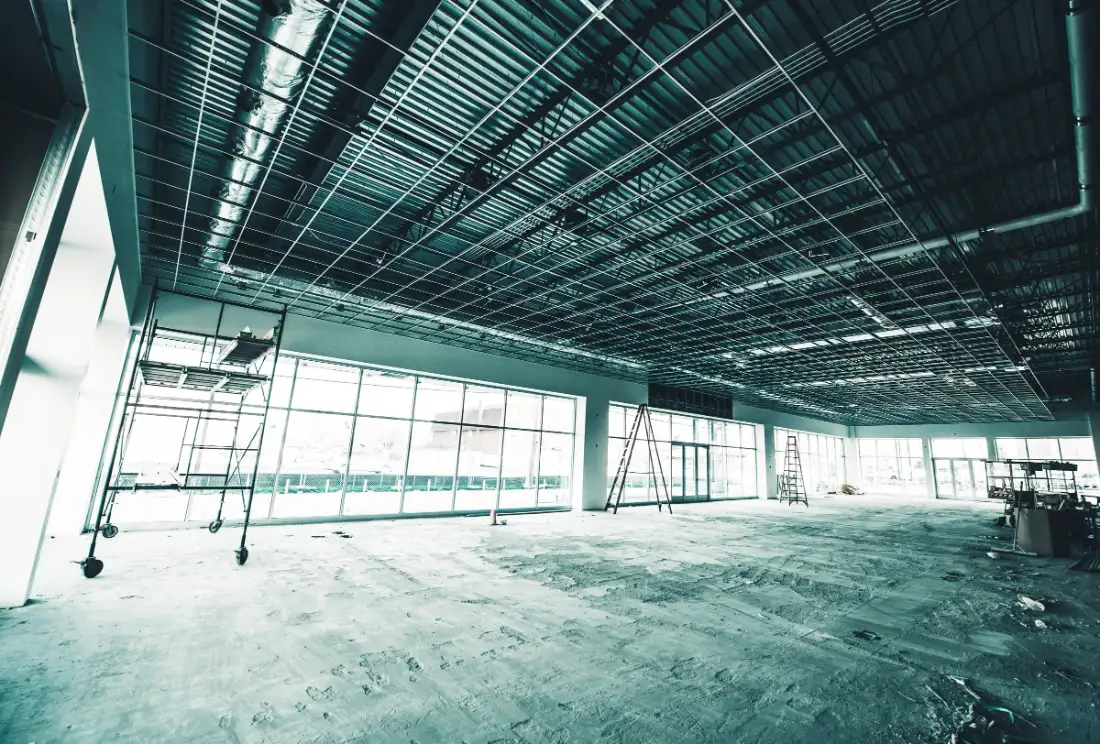
When a store is renovated, remodeled or closed, a lot leaves at once: fixtures, shelving, signage, displays, leftover stock and equipment. Planning the removal early protects your timeline and your costs.
What typically leaves a store
- Fixtures, shelving and display units.
- Signage and point-of-sale equipment.
- Back-of-house furniture and equipment.
- Leftover or damaged inventory.
- Regulated items: batteries, aerosols, lamps, electronics.
Checklist
Before the work starts
- List what is being removed and what stays.
- Photograph the space and mark the access points.
- Check lease and landlord requirements for removal and restoration.
- Set the timeline, including after-hours or overnight work.
Sorting
- Decide what can be reused at other stores.
- Decide what can be donated or sold.
- Separate recyclable material, such as metal and wood.
- Isolate regulated items for proper handling.
During removal
- Schedule pickups around construction phases.
- Keep paths and loading areas clear.
- Confirm who supervises on site.
Afterwards
- Collect records of what left and where it went.
- Keep donation receipts and regulated waste paperwork.
- Share results with your sustainability or finance team.
Reuse is often the best outcome for fixtures
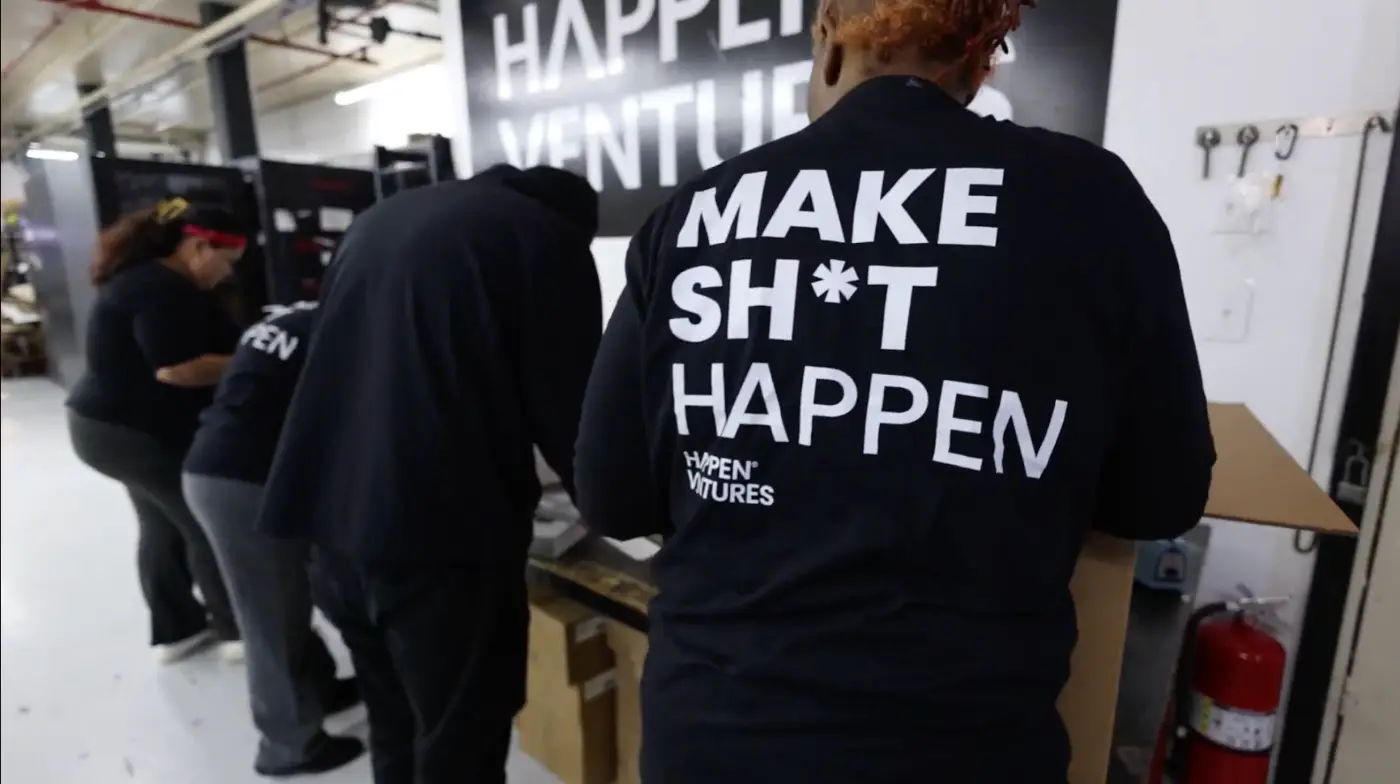
Store fixtures can often be reused or repurposed instead of scrapped. Happen Ventures has worked on this for retailers. See a Sacramento fixtures project and how a cosmetics brand turned store renovations into impact.
Retail returns and damaged goods
If you also handle returns and damaged stock, see how Happen Ventures handles retail returns.
Regulated items in retail
Aerosols, batteries and cleaning products are common in stores and are not ordinary waste. See retail hazardous waste.
Next step
For store renovations or closures across several locations, send your list through the contact page. See retail and e-commerce and site cleanouts.