Hazardous waste is expensive for reasons that are easy to miss: it is priced by how it is classified, packaged, moved and treated. Most of the savings come from decisions made before the truck arrives.
Table of Contents
What drives the cost
| Cost driver | What affects it |
|---|---|
| Classification | Waste that is mis-characterized or mixed gets handled as the most hazardous stream in the container |
| Volume and weight | Drum counts, pallets and weight drive transport and treatment fees |
| Packaging | Drums, totes, labels and overpacks all have a price |
| Treatment method | Incineration, fuel blending, recycling and reuse are priced very differently |
| Transport | Distance, frequency and the number of stops |
| Paperwork | Manifests, profiles and generator fees |
| Frequency | Many small pickups cost more than fewer planned ones |
Six ways facilities reduce the cost
- Keep streams separate. Mixing hazardous with non-hazardous waste makes the whole container hazardous. Segregate at the point of generation.
- Characterize correctly. A proper waste determination avoids over-classification and keeps you compliant.
- Look at what is still usable. Surplus, off-spec or expired product can sometimes be redirected for reuse instead of treated as waste. See chemical reuse.
- Reduce what you generate. Tighter inventory control and smaller order sizes mean less expired stock to dispose of.
- Plan pickups. Consolidating sites and scheduling fewer, larger pickups cuts transport cost.
- Consolidate vendors. Fewer vendors can mean fewer invoices, fewer handoffs and a single set of records.
Compliance still comes first
Your generator category and the rules for your state decide how long you can store waste and what documentation you need. Cost cuts must never come from skipping classification, labeling or manifests. Confirm requirements with your EHS lead or state agency. For background, see how hazardous waste is classified and how to dispose of hazardous chemical waste.
A worked example: TJX
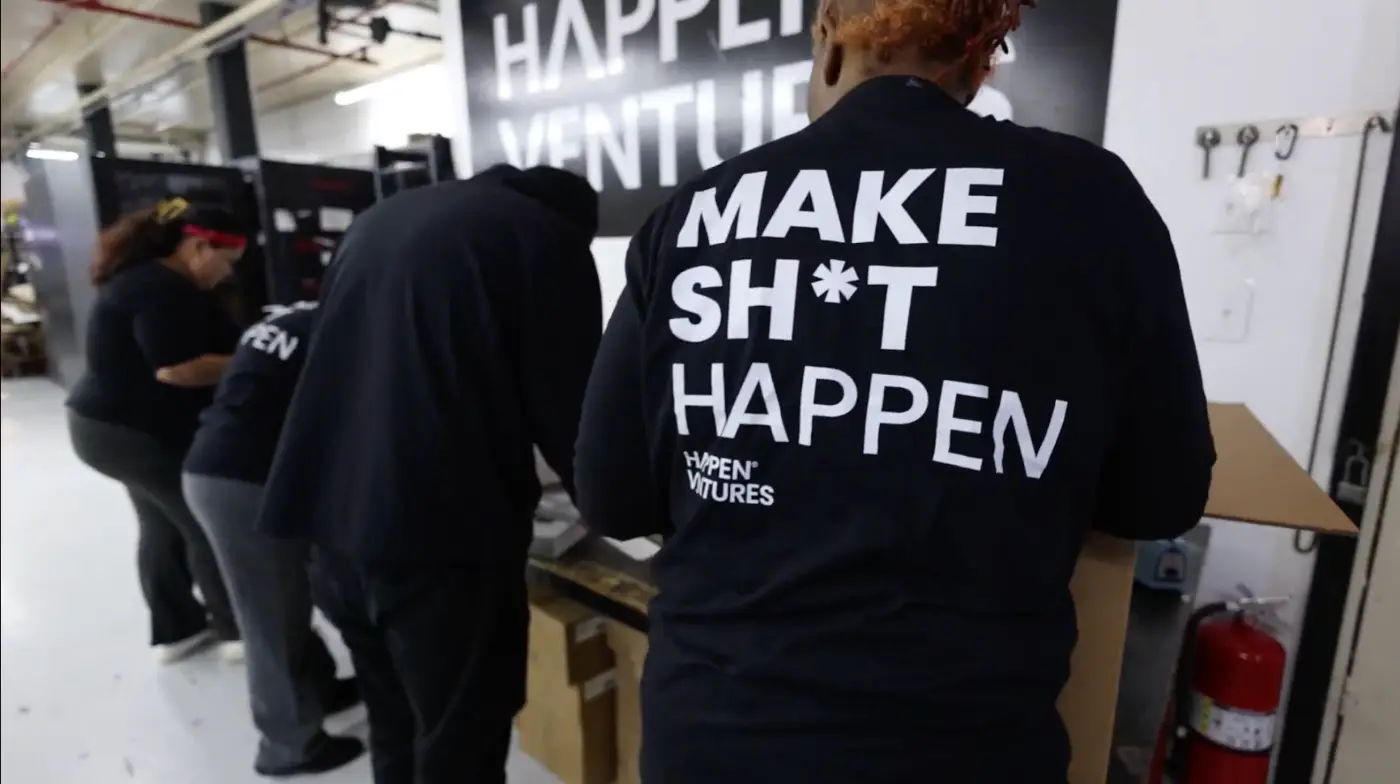
TJX had close to 2,000 pallets of sanitizer that would have been classed as hazardous waste if mishandled. Happen Ventures assessed the volume and condition, then routed the product to beneficial reuse instead of hazardous disposal. In total, 1,772.5 pallets were diverted from hazardous disposal and redirected to communities in need. Read the full story: How TJX and Happen Ventures turned hazardous waste into community support.
What to ask a hazardous waste provider
- How do you classify and profile each stream?
- Which streams do you route to reuse or recycling, and which to treatment?
- What paperwork do I receive for each pickup?
- Can you handle multiple sites and consolidate pickups?
- How are drums and packaging priced?
Next step
If you want an assessment of your hazardous streams, send your sites through the contact page. See hazardous waste reduction for how the service works.